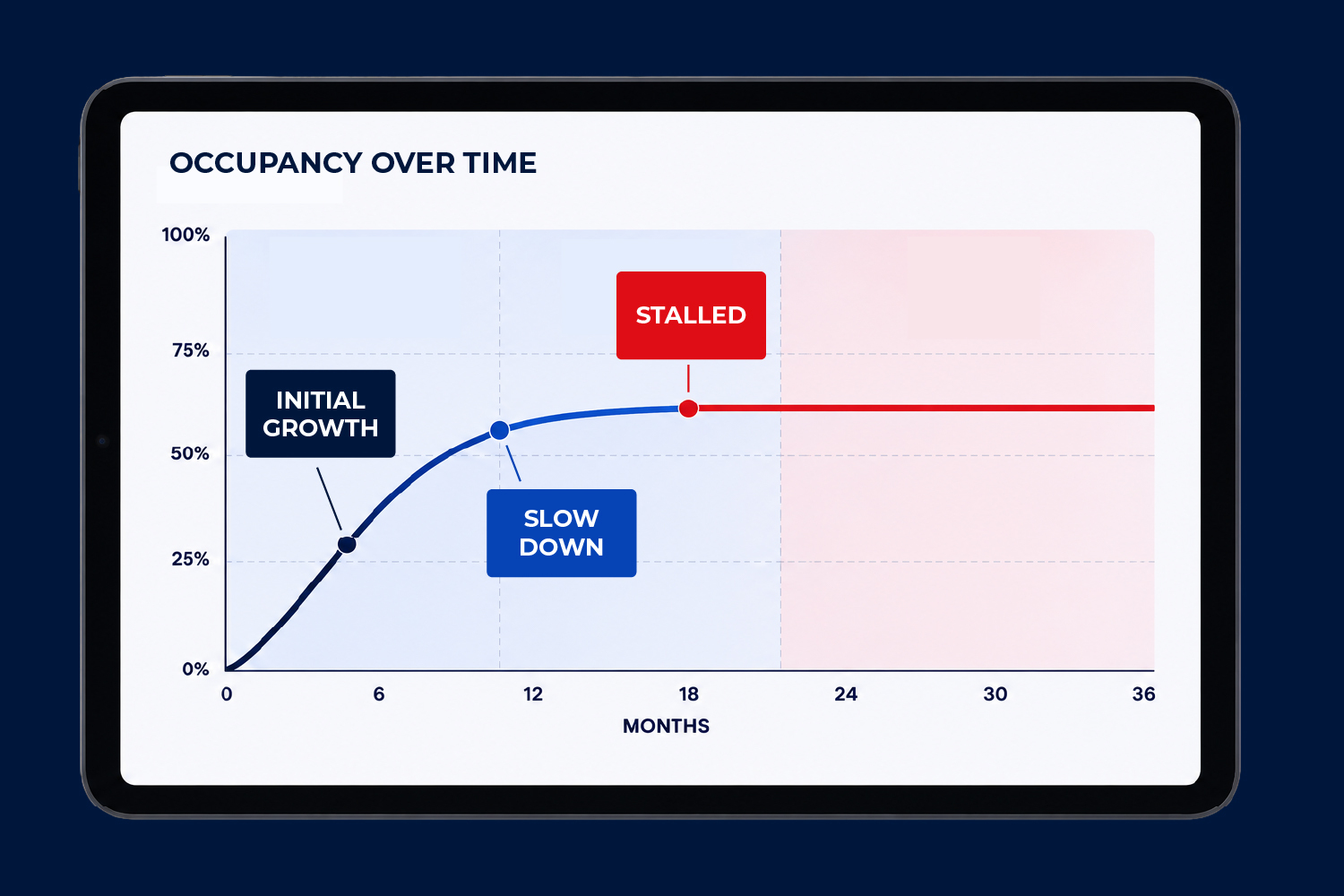

If you’ve been in self storage for a while, you’ve watched a lot of new facilities go up. Another property down the road, another project across town, another investor looking for the right market. For a stretch, building seemed to be a big part of every conversation about where the industry was headed.
Lately, that pace has started to ease. Developers are pulling back on new projects, and fewer facilities are expected to open over the next couple of years.
If you’re running a facility, that might sound like welcome news. After all, competing for tenants can be tough when a brand new property nearby is trying to fill hundreds of empty units.
But what does a slowdown actually mean for the facility you’re running today? There’s reason to be optimistic. The good news is that a slowdown in new supply can open up real opportunities for operators who know what to look for, and understanding the numbers behind it is the best place to start.
To understand where things are headed, it helps to think back to where the boom started. During the pandemic, people were moving, downsizing, working from home, and suddenly needing a place to put everything that didn’t fit in their new setup. Storage demand took off, and developers did exactly what you’d expect them to do: they started building.
The thing about self storage, though, is that a facility can take a few years to go from idea to grand opening, so even as demand cooled down, those projects kept landing in markets across the country one after another.
Now, that wave is starting to ease. According to the latest Yardi Matrix supply forecast, new self storage supply is expected to drop by nearly 19% this year compared to 2025, and the first half of 2026 already saw about 27% less new space delivered than the same stretch last year.

Even better for operators, the slowdown isn’t expected to bounce back next year, with 2027 projected to bring even less new supply than 2026. Looking further out, industry research suggests the amount of new space added each year through 2030 could be roughly half of what the industry saw during the boom years.
So why are developers pumping the brakes?
It mostly comes down to the math no longer working the way it used to. Interest rates have stayed high, which makes borrowing for new construction expensive, and with rental rates growing slowly, it’s harder to justify a brand new project.
Those same high rates are also keeping a lot of people from buying or selling homes, and since moving is one of the biggest reasons people rent a storage unit in the first place, developers are being a lot more careful about where and when they build.
In other words, the market is finally catching its breath after years of rapid growth, and that gives existing operators some room to work with.
So if relief doesn’t happen overnight, what does it actually look like when it starts to show up? For most operators, it won’t be one big moment. It’ll be a handful of small shifts that slowly make running a facility feel a little less like a constant tug-of-war with the competition.
When fewer new facilities open nearby, tenants have fewer cheaper options to choose from, and that gives operators more room to hold their rates instead of constantly matching the latest move-in special down the street. This won’t happen everywhere at once, but markets with limited new supply could see modest rent growth return sooner than markets still absorbing a lot of new space.
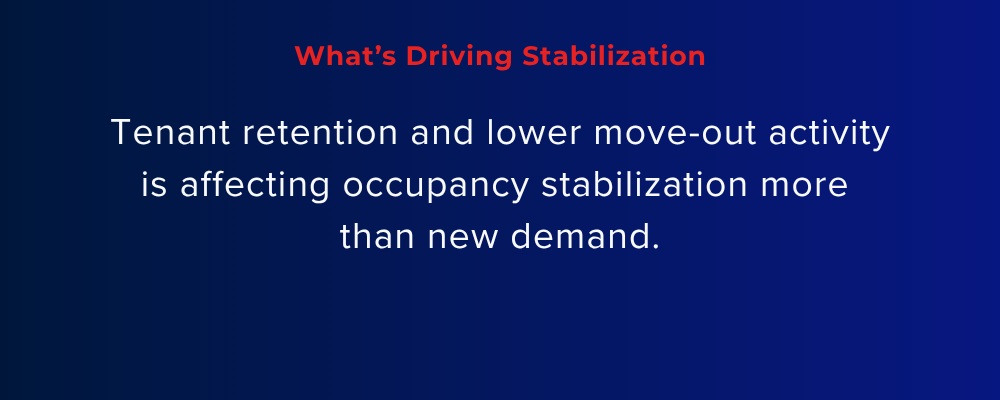
With demand still on the softer side, a lot of the occupancy gains in the near future are going to come from holding onto the tenants you already have rather than chasing a flood of new ones.
Marcus & Millichap notes that tenant retention is doing more for occupancy right now than new demand, with national vacancy expected to dip slightly by the end of the year. That’s a big deal, because a tenant who stays longer is worth a lot more over time than one who moves out after a few months.
Existing customer rate increases are one of the most important revenue tools operators have, but they’re harder to pull off when a brand new facility is offering half off the first month a mile away. As that kind of competition eases up, tenants are less likely to shop around when their rate goes up, which means those increases are more likely to stick without pushing people out the door.
If you own a newer facility that’s still filling up, a slower pipeline is especially good news. Fewer new competitors opening around you means more time to build occupancy, gather reviews, and establish your facility in the community without having to fight off the next grand opening special.
The common thread here is that the slowdown rewards operators who are ready to take advantage of it.
A drop in new construction is good news, but it doesn’t mean the competition disappears overnight. Here’s what’s still working its way through the system:
A lot of the facilities that broke ground during the boom only recently opened, and many of them are still in lease-up. That means they’re working hard to fill units with move-in specials and lower rates, so even with fewer new projects on the way, many operators are still competing with them for the same tenants. It’s one of the reasons rental rates are still lower than they were a year ago in most markets, even after the usual spring and summer boost.
Large operators and REITs have been leaning on competitive pricing to protect their occupancy, and earlier this year, REIT advertised rents were running about 7.5% below smaller operators. When the biggest names in your market are willing to price that low, holding your rates steady can be tough, no matter how well your facility is run.
National numbers can point you in the right direction, but what’s happening within a few miles of your facility matters a lot more. Some Sun Belt markets like Tampa are still working through a wave of new facilities and heavy discounting, while markets with very little new construction, like Boston, have held their rates much more steadily. Two operators doing everything right could have completely different years just based on where their facilities are located.
Slower periods tend to be when the most thoughtful operators get ahead, because they have a little more room to step back, look at how their facility is really performing, and make changes without the pressure of constantly reacting to a new competitor down the street.
The moves you make now will determine how quickly you feel the benefits once conditions start to improve, and the good news is that most of them don’t require a big investment, just a bit of intention. Here are a few places to start:
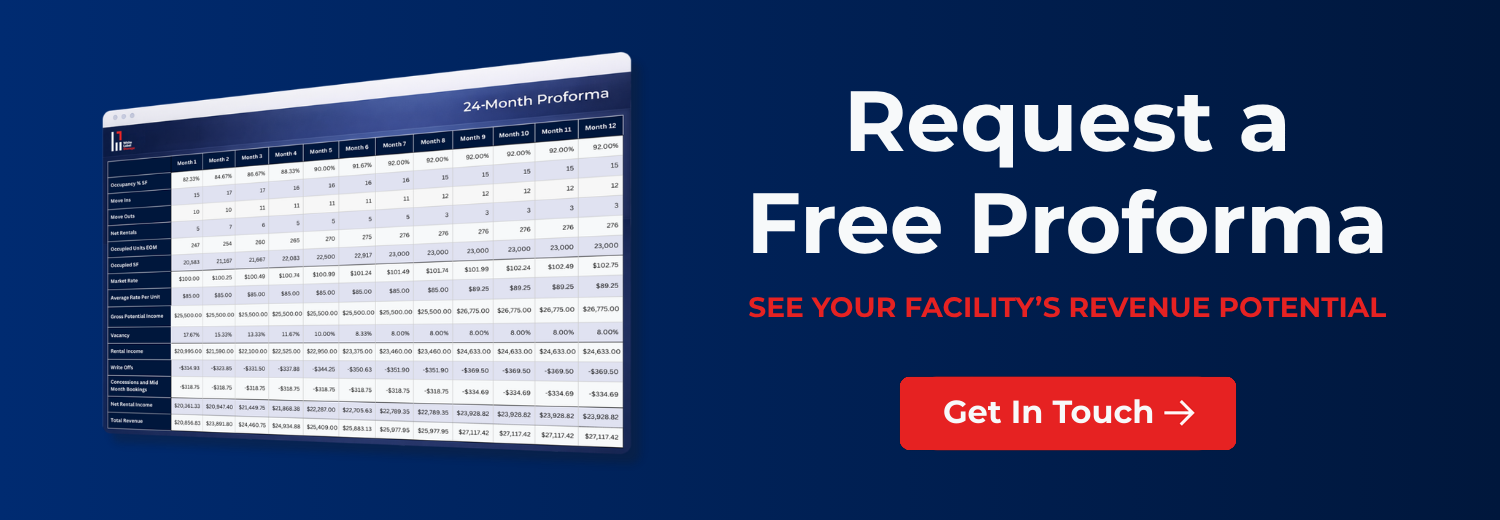
After years of watching new facilities pop up around them, operators finally have a chance to catch their breath. The slowdown in new supply won’t change everything overnight, but it does open the door to stronger pricing, better retention, and a more level playing field for owners who are ready for it.
Of course, managing pricing, retention, and marketing all at once can be a lot to take on, especially if storage is just one part of your business, which is exactly why so many owners lean on White Label Storage to help them stay ahead.
Our 3rd-party self storage management brings together revenue management, a dedicated call center, and digital marketing built specifically for self storage, so you can adjust to changing market conditions with confidence instead of having to figure it all out on your own.
If you’re wondering how to leverage this new evolution in the self storage market, let’s talk. We’ll help you understand what’s happening around your facility and build a plan to maximize asset performance.