
Shopping for a third-party self-storage management company is rarely as straightforward as comparing percentages.
Management fees are the first number owners look at, because they’re the most visible cost on any proposal. But experienced operators will tell you that the percentage at the top of a contract is just the beginning of the conversation, not the end of it.
The reality is that third-party management pricing doesn't follow a single universal model. What looks like an apples-to-apples comparison on paper can turn out to be something very different once you understand what each proposal actually includes.
For self-storage owners stepping into that conversation for the first time, or even owners who've worked with a management company before and are now reconsidering their options, knowing how these fee structures actually work changes the way you read a proposal entirely.
Not all third-party management companies price their services the same way, and that's by design. Different pricing structures reflect different approaches to managing facilities, delivering services, and sharing risk.
Before comparing costs, it helps to understand the models you're most likely to encounter and what each one is intended to accomplish.
This is the most common model in the industry. The management company takes a percentage of whatever your facility collects each month, typically somewhere between 5% and 10%. So if your facility brings in $50,000 in a given month and the agreed rate is 8%, the management fee for that month is $4,000.
Because the fee is tied directly to revenue, the management company's earnings move with yours. When the facility performs well, they earn more. When it underperforms, they earn less. For a lot of owners, that built-in alignment is one of the more appealing aspects of this model.
Some companies charge a fixed amount every month regardless of how the facility performs. If the fee is $3,500 a month, that's what you pay whether the facility hits $40,000 in revenue or $70,000.
For owners who prefer predictability in their expense planning, this can feel like a cleaner arrangement. The tradeoff is that the management company gets paid the same no matter what, which changes the dynamic of the relationship in ways worth thinking through.
Regardless of which model a management company uses, owners bringing multiple facilities to the table often have more room to negotiate than a single-site owner. An owner coming in with three or four properties is going to have a different conversation than someone starting with one, and that's true whether the company charges a percentage, a flat fee, or anything in between.
The reason comes down to operational efficiency. One client with five facilities means one relationship, one reporting cadence, one point of contact. That simplicity has value on the management side, and it often translates to more favorable pricing on yours.
A pricing model explains how a third-party management company charges, but it doesn't always explain everything you're paying for. Many management agreements include additional services that are billed separately from the base fee, making it important to understand what's included before evaluating the overall cost.
Taking the time to identify those additional costs upfront creates a more complete picture of the investment and reduces the likelihood of unexpected expenses after the partnership begins.
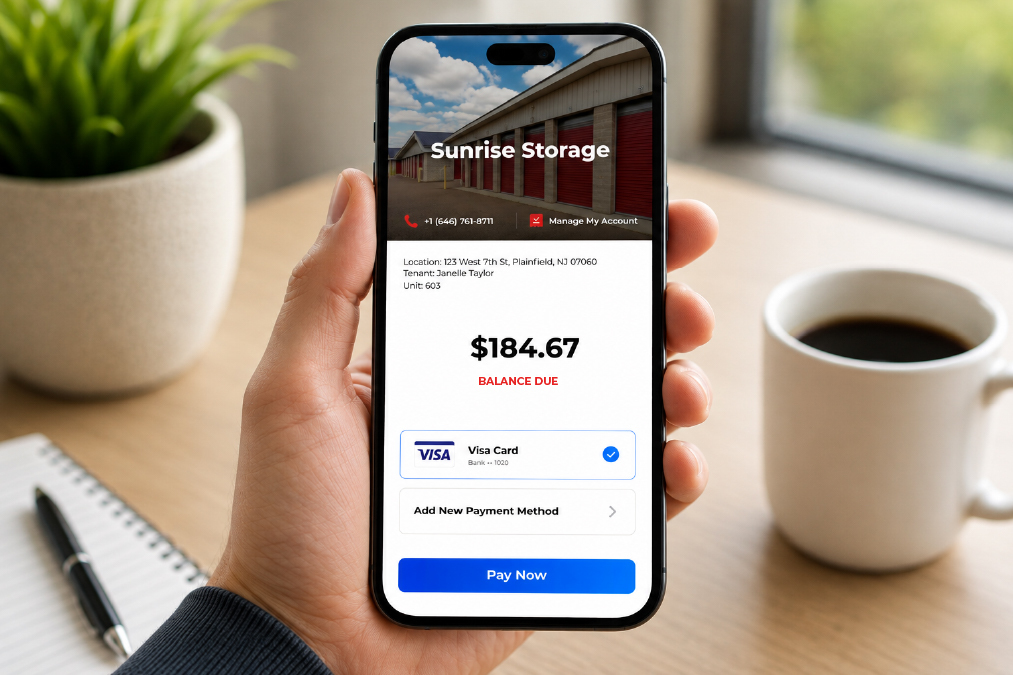
Tools like property management software, dynamic pricing platforms, online rental systems, and customer communication tools often carry their own licensing or subscription costs. Some third-party management companies bundle these expenses into their base fee, while others bill them separately, either per facility, per unit, or as individual software subscriptions.
Because technology plays such a central role in modern self-storage operations, owners should understand not only what they're paying for, but also which platforms are included and whether additional licenses may be required as the business grows.
Attracting new tenants requires ongoing investment in self storage advertising, including SEO, paid search, local listings, and other advertising initiatives. While some management companies include marketing services within their management fee, many treat advertising budgets as a separate operating expense paid directly by the owner.
Websites are where the rubber hits the road. You’ve done the work of attracting potential customers: now the question is whether they’ll convert into tenants. They are a fundamental part of the customer experience.
Third-party managers often charge separately for websites because these assets are so valuable and require a different set of skills to build, maintain, and optimize for performance.
Self storage call centers and virtual leasing teams have become more common as operators look to extend coverage without staffing every facility full time. Depending on the management company, these services may be included in the base fee or billed separately based on call volume, facility size, or staffing needs.
Bringing a new facility under management often involves a one-time transition period that includes migrating software systems, training staff, transferring operational data, and establishing reporting processes.
Because every facility starts from a different place, onboarding fees can vary based on the size of the property, the condition of existing systems, and the complexity of the transition. More importantly, the onboarding process often sets the foundation for the partnership itself.
A well-executed transition helps establish operational consistency from day one, while missed steps or incomplete planning can create challenges that are much harder to correct once management is underway. Asking what's included in that one-time cost can help avoid surprises during the handoff.
Taken together, these add-ons are a big part of why two proposals with the same headline percentage can end up costing very different amounts. The base fee is really just the starting point.
For facilities that require a physical presence, on-site staffing is typically an added cost outside the base management fee. Whether it’s a part time property manager, a relief manager, or a full-time boots-on-the-ground employee, labor costs associated with staffing the facility day-to-day are usually billed separately and can vary significantly based on the facility's size, location, and how many hours of coverage are needed.
It’s worth asking any management company upfront how onsite staffing is handled, who is responsible for hiring and managing that staff, and how those costs get passed along to the owner.
A proposal can tell you how a third-party management company structures its pricing, but the details behind that proposal often matter just as much as the numbers themselves.
Asking thoughtful questions helps clarify what's included, uncover potential costs, and paint a more complete picture of what the partnership will look like. Just as importantly, the way a management company answers those questions can offer valuable insight into its communication style, level of transparency, and approach to supporting owners over the long term.
As you evaluate your options, keep these questions in mind:
Ask for a detailed breakdown of what's included in the percentage or flat rate you're being quoted. Does it cover revenue management, marketing, reporting, technology, or call center support? Request the information in writing so you can accurately compare proposals and avoid misunderstandings later.
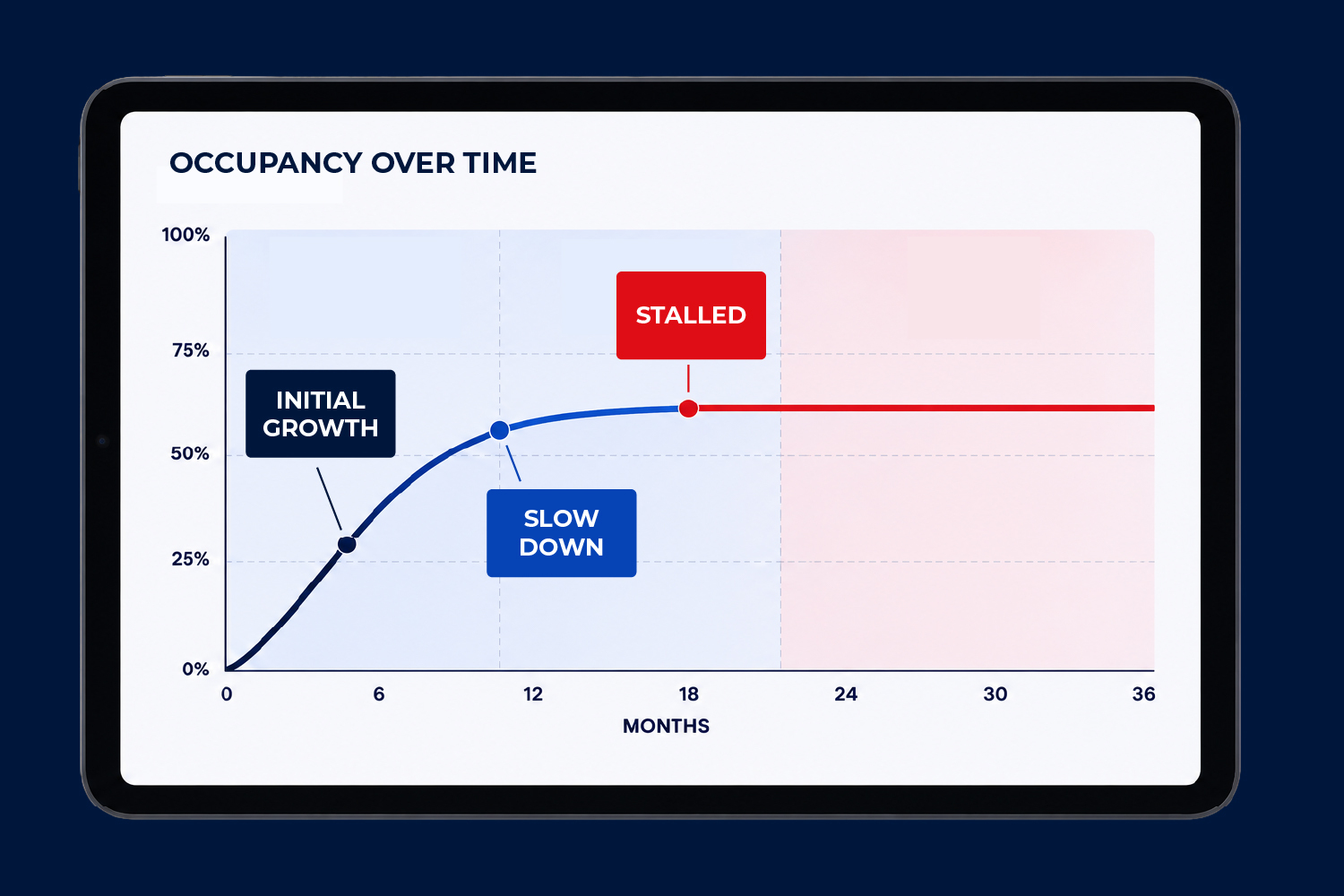
Some management agreements include a minimum monthly fee, which can have a significant impact on facilities still building occupancy. Ask when minimums apply, how they're calculated, and when the pricing transitions to a percentage-based model.
Services like technology, marketing, and call center support aren't always included in the base fee. Ask whether they're billed as flat monthly fees, usage-based costs, or separate subscriptions, and request a sample invoice if possible to better understand what ongoing expenses may look like.
Review the agreement's length, renewal terms, and termination provisions before signing. Understanding how the partnership begins, operates, and ends helps set clear expectations and ensures you know what to expect if your needs change over time.
Some management companies charge a termination fee if you decide to exit before the contract is up, so it's worth asking about that upfront. White Label Storage doesn't charge one, and that's not an accident. Month-to-month flexibility is part of how we operate.
Choosing a self storage management company is about more than finding a pricing model that fits your budget. It's about finding a partner whose approach, services, and long-term strategy align with the goals you have for your facility.
At White Label Storage, we believe in more clarity, not more questions. That means being transparent about what's included, explaining how our fee structure works, and the value behind every part of the partnership. Our approach brings together in-house technology, revenue management, marketing, operational support, and centralized services under one roof, reducing complexity and limiting the need for owners to invest in multiple disconnected solutions.
Every facility has different needs, which is why we focus on building partnerships that are tailored to each owner's goals rather than relying on a one-size-fits-all approach.